
Back to ResourcesPulmonary/Critical Care Medicine
What Are Sleep Studies?
Health education · AI-assisted
Dr. T Akil Rao•October 15, 2026•0 views
Sleep Studies: Understanding the Process and Its Importance
Sleep studies are an essential diagnostic tool for evaluating sleep disorders. They provide valuable insights into how well a person sleeps and help identify issues such as sleep apnea, insomnia, and restless legs syndrome. This comprehensive guide will walk you through what sleep studies entail, why they are used, and what you can expect during the process.
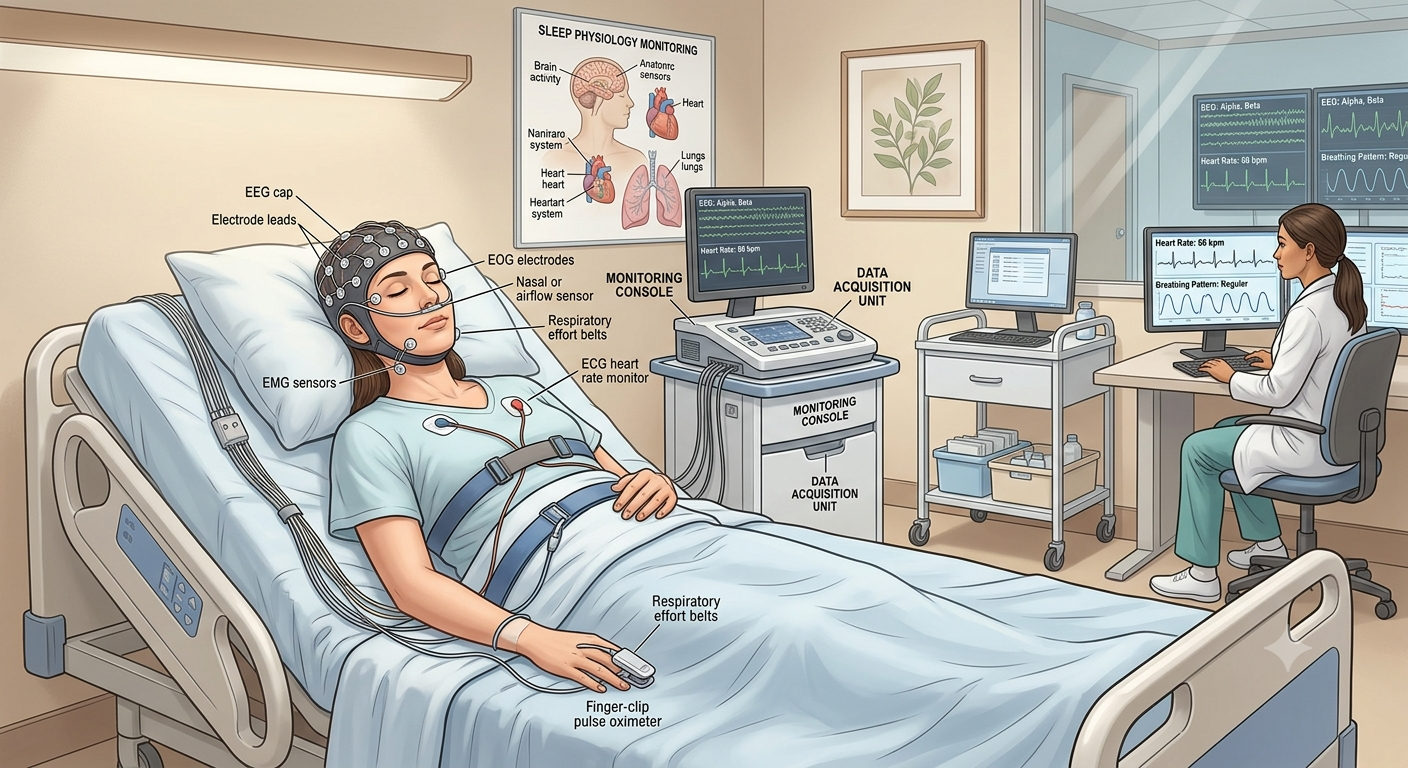
Sleep studies, also known as polysomnography, are tests conducted to diagnose sleep disorders. These studies monitor various body functions during sleep, including brain activity, eye movements, heart rate, breathing patterns, and oxygen levels. By analyzing these parameters, doctors can identify abnormalities that may be affecting sleep quality.
Why Are Sleep Studies Used?
Sleep studies are primarily used to diagnose and manage sleep disorders. They help in:
- Diagnosing Sleep Apnea: A condition where breathing repeatedly stops and starts during sleep.
- Identifying Insomnia Causes: Understanding underlying issues that lead to difficulty in falling or staying asleep.
- Evaluating Restless Legs Syndrome: Detecting involuntary leg movements that disrupt sleep.
- Assessing Narcolepsy: A disorder characterized by excessive daytime sleepiness and sudden sleep attacks.
When Are Sleep Studies Recommended?
Doctors recommend sleep studies when a patient exhibits symptoms of a sleep disorder, such as excessive daytime sleepiness, loud snoring, or frequent awakenings during the night. They are also advised for individuals with conditions like chronic obstructive pulmonary disease (COPD) or heart failure, which may affect sleep.
When Are Sleep Studies Not Appropriate?
Sleep studies may not be necessary for individuals whose sleep issues can be resolved with lifestyle changes or medication. Additionally, they might not be appropriate for patients with certain medical conditions where sleep monitoring is not feasible.
How Do Sleep Studies Work?
During a sleep study, patients spend the night at a sleep center or hospital. Sensors are placed on the body to record various physiological functions. The data collected helps in identifying any disruptions in sleep patterns and diagnosing specific disorders.
What Happens During a Sleep Study?
Throughout the night, the following are monitored:
- Brain Waves: To assess sleep stages and cycles.
- Eye Movements: To determine REM sleep phases.
- Heart Rate and Rhythm: To check for irregularities.
- Breathing Patterns: To detect apneas or hypopneas.
- Oxygen Levels: To ensure adequate oxygenation during sleep.
Preparation for a Sleep Study
To prepare for a sleep study, patients should:
- Avoid caffeine and alcohol on the day of the test.
- Refrain from napping in the afternoon.
- Follow their regular sleep schedule as closely as possible.
- Bring comfortable sleepwear and personal hygiene items to the sleep center.
Risks and Complications
Sleep studies are non-invasive and generally safe. Some patients may experience minor discomfort from the sensors or have difficulty sleeping in a new environment. However, these issues typically do not affect the results of the study.
What to Expect After a Sleep Study
After the study, the results are analyzed by a sleep specialist. A follow-up appointment is usually scheduled to discuss the findings and potential treatment options, which may include lifestyle changes, CPAP therapy, or medication.
Outcomes of Sleep Studies
The primary outcome of a sleep study is a detailed report on sleep patterns and any detected disorders. This information is crucial for developing an effective treatment plan tailored to the patient's needs.
Alternatives to Sleep Studies
In some cases, home sleep tests may be an alternative for diagnosing sleep apnea. These tests are less comprehensive but can be more convenient for patients who cannot stay overnight at a sleep center.
About Dr. T Akil Rao
Dr. T Akil Rao is a specialist in Pulmonary and Critical Care Medicine, with expertise in managing respiratory and sleep disorders. With a focus on personalized treatment plans, Dr. Rao is dedicated to providing comprehensive care for patients with sleep-related issues.
Consultation and Next Steps
If you suspect a sleep disorder or have symptoms affecting your sleep quality, consult a specialist to discuss whether a sleep study is appropriate for you.
1. How long does a sleep study take?
A sleep study typically lasts one night, but some conditions may require additional nights for accurate diagnosis.
2. Can I take my regular medications before a sleep study?
It's important to inform your doctor about any medications you are taking, as some may affect the results of the study.
3. Will I be able to sleep with all the sensors attached?
Most patients adapt quickly to the sensors, and sleep specialists ensure the environment is as comfortable as possible.
4. Are sleep studies covered by insurance?
Many insurance plans cover sleep studies, but it's advisable to check with your provider for specific coverage details.
5. What happens if a sleep disorder is diagnosed?
If a sleep disorder is diagnosed, your doctor will discuss treatment options, which may include lifestyle changes, therapy, or medical devices.
Ready to book an appointment?
Consult with Dr. T Akil Rao.
Book an appointment